What owners tell us on the first call
"Something is living in there." That is how most of these calls open. Then come the details, and they are usually good ones. A rhythmic scraping in the wall at night. A high chatter in spring that turns out to be raccoon kits. A bird that keeps fluttering against the damper. Bits of bark and dry grass on the grate that nobody put there. A smell like a wet dog that gets worse when the heater runs.
Every one of those points to an open flue. A chimney with no cap and no screen is a tall, dry hollow with a door at the top, and the animals around Yorba Linda found that out long before we did. Raccoons, squirrels, rats, starlings and pigeons all use it. Possums fall in by accident and cannot climb back out.
This post covers what to expect when you book us for one of these: what we do, what we do not do, what it costs, and how the top gets closed so the next tenant moves in somewhere else.
What we do and what we do not do
We are a chimney company, not a trapper. We do not set traps or handle live animals. What we do is find out what is in the flue, confirm whether it is still there, clear out what it left behind, repair what it broke and shut the opening it used.
That order matters. If an animal is still inside when we arrive, we say so and the cap waits. Sealing a raccoon in, or her kits, is cruel and it ends with a smell nobody wants in a living room. Once the flue is empty we carry on. For birds, most native species are protected while nesting, so an active nest with eggs or chicks stays until the young have flown, and then it comes out.
If you hear a live animal right now, keep the damper shut and the fireplace doors closed so it cannot come down into the house. Do not light a fire to drive it out. Smoke and heat in a flue packed with nest material is how chimney fires start.
What the visit finds
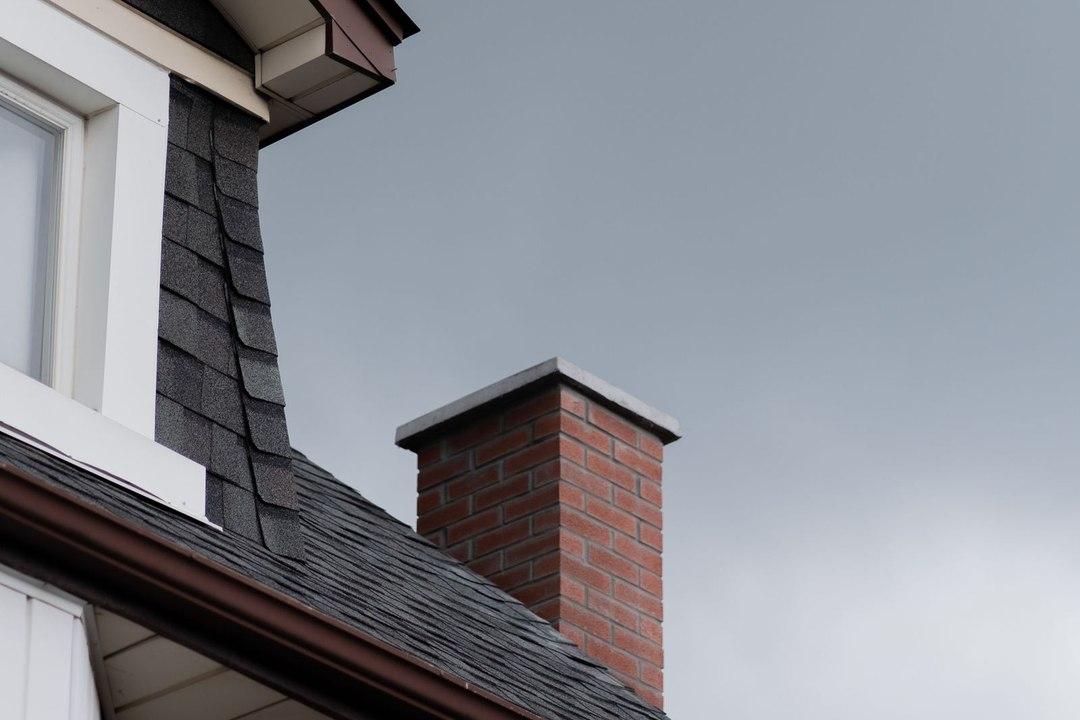
The first visit is a look from both ends. From the room we open the damper and check the smoke shelf, which is where raccoons tend to den and where most of the debris lands. From the roof we look down the flue and at the top: the tile, the crown, any old cap and its mesh.
These are the things we turn up most in Yorba Linda, Placentia and the rest of north Orange County:
- A full nest. Twigs, grass, leaves and the odd bit of plastic, sometimes packed solid for a few feet.
- Droppings and bedding on the smoke shelf. This is the source of the smell, and it needs to come out.
- A bent or jammed damper. Animals climb past it and pull on it. Some will not close afterwards.
- A torn screen. An old cap with rusted mesh is no barrier to a determined raccoon.
- Damaged flashing or a loose crown. Not always caused by the animal, but often found on the same trip.
What each part costs
There is no single price for an animal in a chimney, because the job is a few separate pieces. Here is how ours break down:
| What we do | Our price |
|---|---|
| Looking at what can be reached from the room and the roof | $165 |
| Pulling out the nest, debris and droppings, then brushing the flue | from $420 |
| A screened top fitted to the flue | quoted after we measure |
Most homes need all three. Some only need the last two if we can already see enough while cleaning. If the flue is damaged in a way we cannot judge with a light, we may suggest the camera inspection at $395 so you know the tile is sound before you burn in it again.
A damper the animal has bent, a crown that is breaking up or flashing that has pulled away each get their own written figure once we have seen them. Those vary too much from house to house to put a number here.
To book the first look, tell us what you have been hearing and where: the time of day, whether it is in the fireplace wall or higher up, and whether you have seen anything come or go at the roof. That tells us what to bring.
Why the cap is not optional
We get asked whether the cleaning alone will do. It will not, for long. A flue that has been used once smells like home to the next animal, and an uncapped top stays open all year. We have cleaned the same chimney twice in a season for owners who wanted to wait on the cap.
A good cap with a fine screen ends the cycle. It also keeps out leaves and rain, and holds embers in when you do light a fire. Our cap price guide explains what sets the price.
Health and the smell
Droppings and old bedding carry germs and parasites, which is one reason we use sealed vacuums and drop cloths and do not ask owners to scoop anything out of the firebox. The smell usually fades within days once the shelf is cleaned and the flue is brushed. If it lingers, something may be stuck further up, and we come back to look.
Book the visit
The sooner an open flue is closed, the less there is to clean. If you are in Yorba Linda or nearby, read about our sweep and cap installation, then head to our contact page and give us the address and what you have noticed. We will set a time to come and find out who your new lodger is.
Rather Have Us Look at Yours?
Armitage Chimney Contractors clears nests, sweeps flues and fits caps and flashing from Yorba Linda outward. Write a line about the noises, droppings or stains on the contact page and we set up a visit.