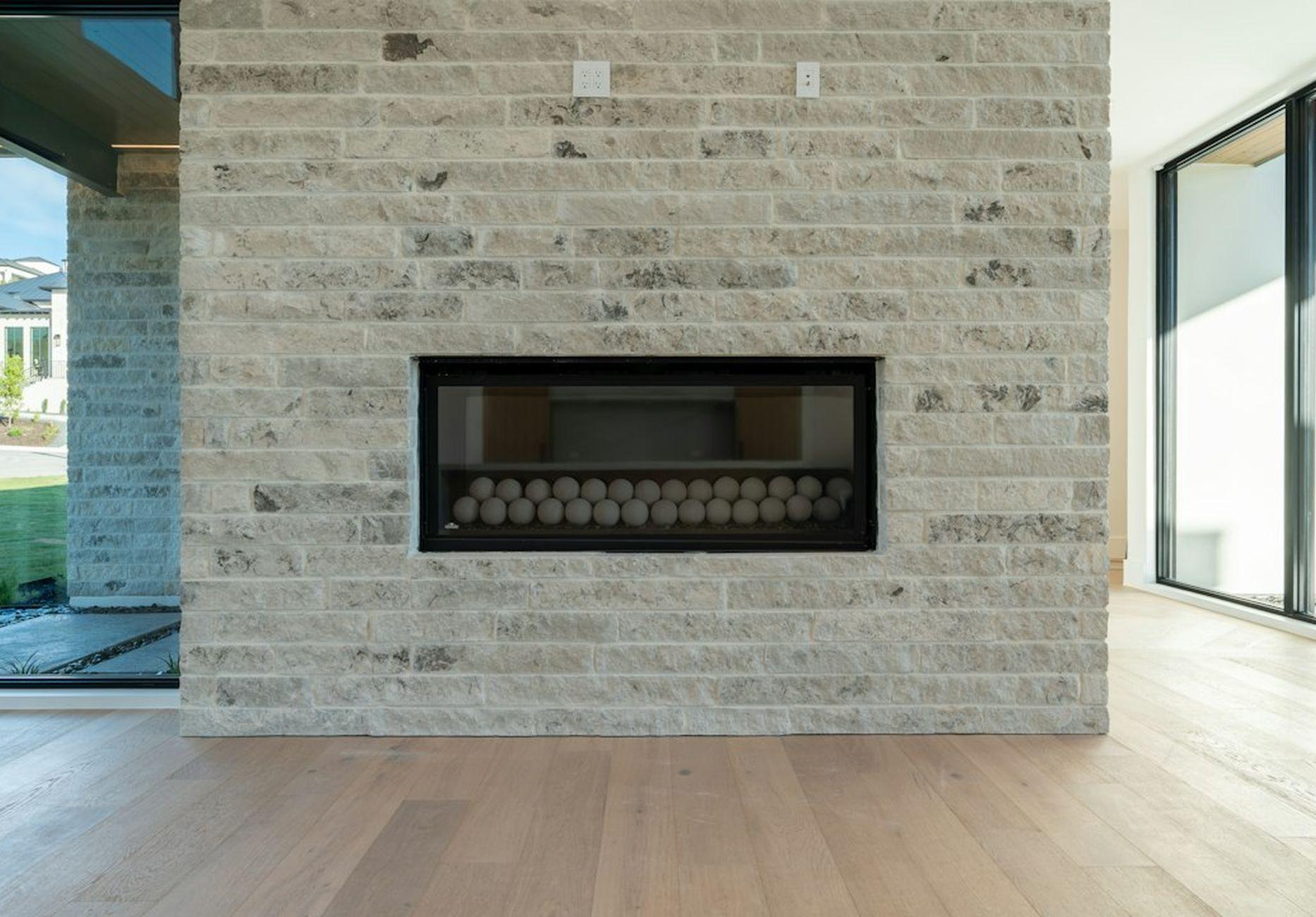
Two chimneys that look alike from the driveway
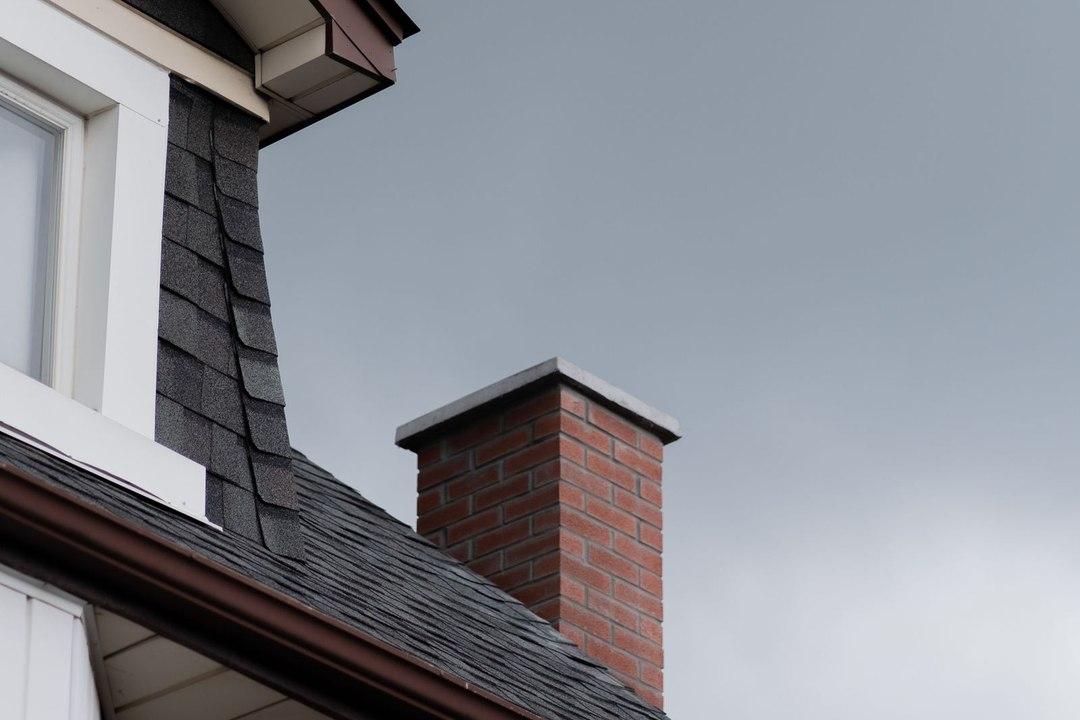
Walk down almost any street in Yorba Linda and you will see two kinds of chimney. One is solid brick or block, often with a clay tile poking out of the top. The other looks like a tall stucco or siding box on the side of the house, the same color as the walls. From the driveway they can look like the same thing. On the roof they are very different, and so is the part that closes the top.
The brick kind takes a cap: a metal hood with a screen around it, fixed over the flue tile or across the whole crown.
The boxed kind, which builders call a chase, hides a metal flue pipe inside a wood frame. Its top is a chase cover: a flat sheet of metal that roofs the box, with a hole and collar where the pipe comes through and a small cap on the pipe itself.
Owners ask us which one they need. The honest answer is that the house already decided. What you can decide is the metal, the screen and whether the old one is worth keeping.
Why the animal angle matters for both
Both tops have the same main job for our customers: keep things out. A brick chimney with no cap is an open shaft. A chase with a rusted or gapped cover is worse in one way, because animals get into the box around the pipe, not just into the flue. We have pulled nests, acorn stores and once a very cross squirrel out of the space between the pipe and the framing. That gap is dry, hidden and close to warm air from the house.
So whichever top you have, we look for the same things: holes, rust, a torn or missing screen, and signs that something has been using the space.
The brick chimney and its cap
On a masonry chimney, the cap sits over the opening where smoke leaves. A good one has three parts that matter to you:
- A lid that sheds rain away from the flue.
- A mesh screen fine enough to stop birds, squirrels and embers.
- A solid way to fix it: clamps on the tile, or anchors into the crown.
Our installed price for a cap is quoted after we measure. The simplest job is a stock stainless hood sized for a single round or square clay tile. The biggest job is a made-to-measure cap that covers a wide crown with several flues, in heavier metal or copper. Our cap price post explains what sets the price in more detail.
The boxed chimney and its cover
A chase cover keeps rain and animals out of the whole frame, not just the pipe. When it fails, it usually fails in one of three ways:
- Rust. Cheap galvanized covers rust from the middle outward, and a pinhole becomes a gap a rat can use.
- Sagging. A flat sheet with no cross-break holds a puddle. Standing water speeds up the rust and finds every seam.
- Gaps at the edges. Wind, or a raccoon pulling at a loose corner, can lift the edge and open a way in.
A new cover is cut and bent to fit your box, in stainless or another metal that will not rust through in a few winters, with a raised center or creases so water runs off. The cap on the pipe gets checked at the same time, since on many of these the screen is the first thing to go.
Covers do not have a published price on our site. Chases vary so much in size, height and how they are framed that a fair figure needs a tape measure on the roof first. You get it in writing before anything is made.
How to tell which one you have
From the ground, a few clues help:
- Brick or block you can see on the outside, all the way up: almost always a masonry chimney and a cap.
- Stucco or siding that matches the house walls, with a short metal pipe and cap sticking up: almost always a chase.
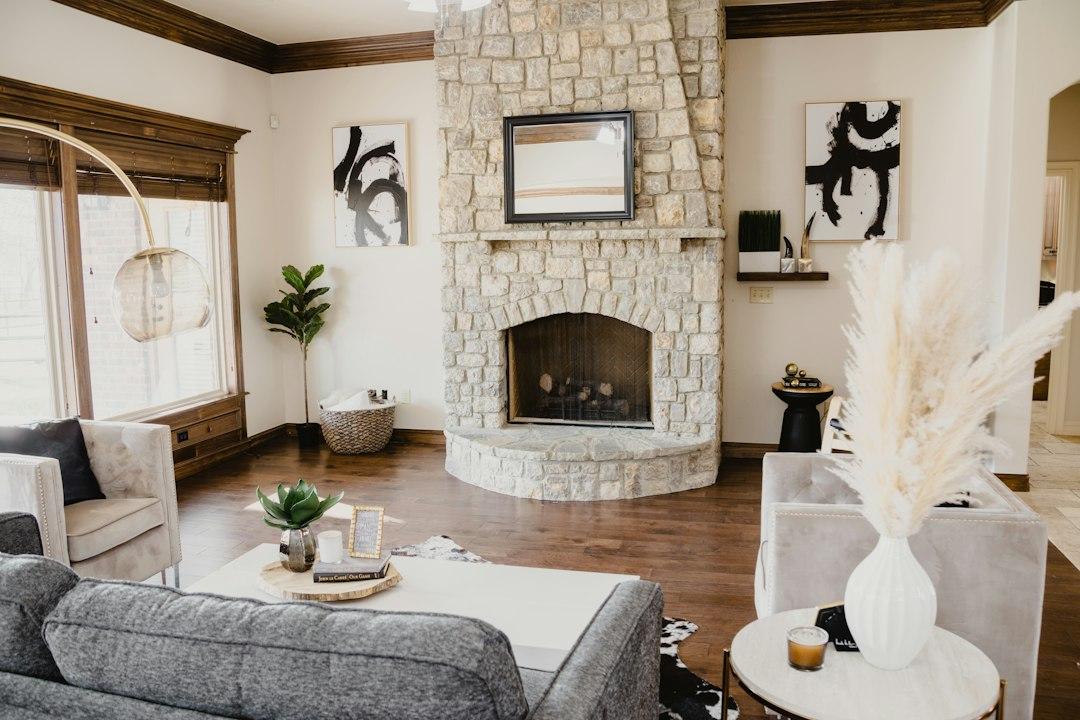
- A fireplace with a metal firebox and a thin metal flue visible when you look up from inside: a factory-built unit, which usually lives in a chase.
If you are not sure, that is what a visit is for. A basic look at what can be reached from the room and the roof costs $165, and you get photos of the top whatever you end up doing.
What decides your next step
If you have a brick chimney with no cap, the step is a cap, often after a sweep to clear out what has already moved in. A sweep from us starts from $420.
If you have a chase and the cover is rusty, sagging or gapped, the step is a new cover and a check of the pipe cap.
If you are not sure which you have, or something has already got inside, start with the look. Tell us what the top of the chimney looks like from the street and what you have been hearing, and we will set up the right visit.
Leaks are often part of the story
A failing chase cover lets in water as well as animals. Owners in Yorba Linda, Placentia and Orange often notice a stain on the ceiling next to a prefab fireplace before they notice the rust up top. On brick chimneys, leaves banked against the stack can hold water against the flashing until it gives. Our leak repair post covers those costs, and our chase cover page and cap installation page show what each job includes.
Book a look at the top
Brick or box, the top is where trouble starts. Send a short note through the contact page with your address and which kind of chimney you think you have, and we will arrange a visit to see it for ourselves.
Rather Have Us Look at Yours?
Armitage Chimney Contractors clears nests, sweeps flues and fits caps and flashing from Yorba Linda outward. Write a line about the noises, droppings or stains on the contact page and we set up a visit.