The drip that shows up in December
The first proper storm of the season is when these calls come in. A brown blotch spreads on the ceiling beside the fireplace. Water ticks onto the damper during the night. Somebody notices the drywall next to the mantel has gone soft. In Yorba Linda, where it can stay dry for months at a stretch, a leak like this can sit unnoticed all summer and then arrive all at once.
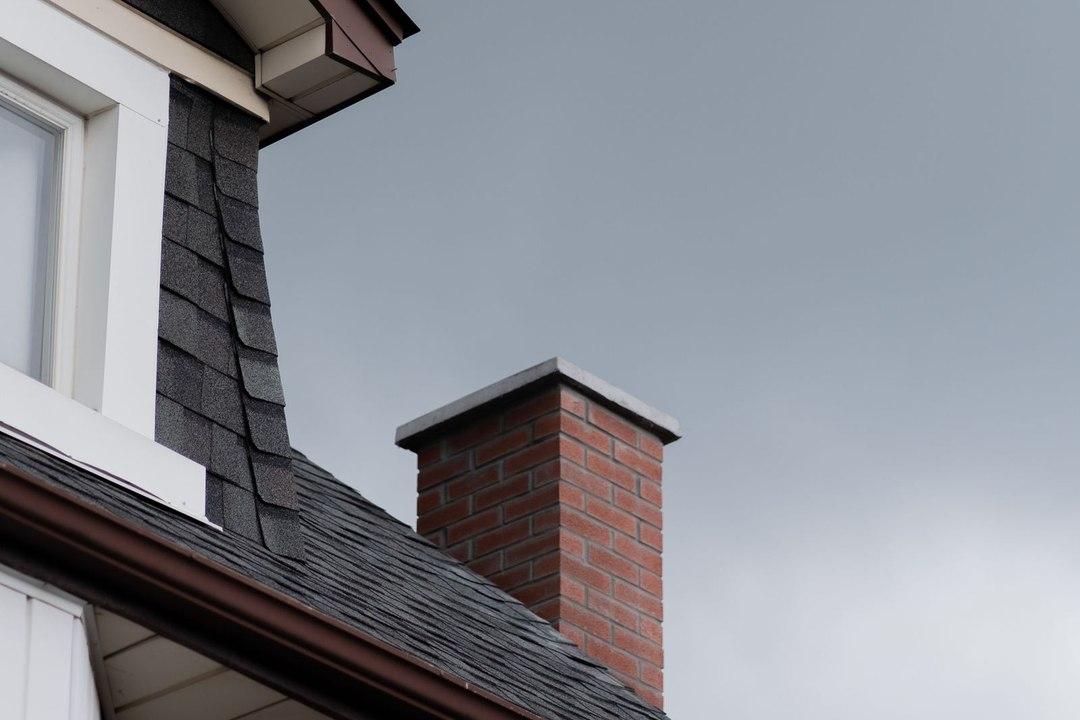
Most of the time the culprit is not the brick. It is the metal where the chimney meets the roof: the flashing. And on a lot of the houses we see, the flashing failed because of what was sitting on it.
What leaves and critters have to do with a leak
This is the bit that ties a leak back to the rest of our work. Every autumn, leaves from sycamores, oaks and pepper trees blow onto roofs and drift until something stops them. A chimney stops them. They pile up on the side of the stack that faces up the roof, soak up the first rain and stay wet for weeks. Wet leaves against metal mean rust, and rust means holes.
Animals add to it. Squirrels and rats like the sheltered corner behind a chimney. Raccoons pull at loose edges looking for a way in. Birds tuck nest material under lifted flashing. By the time water gets inside, the metal has often been chewed, lifted or rusted through in more than one spot.
A missing cap plays its part as well. With no lid on top, the flue collects rain, and owners sometimes think that water is a roof leak when it is falling straight down the inside of the chimney. Part of our visit is telling those two apart.
Our prices
These are the figures on our price list that apply to leaks. Each one is the full installed cost:
| The job | Installed price |
|---|---|
| Finding and fixing where water gets past the chimney | $560 to $3,350 |
| A small peaked diverter built on the uphill face of the stack | $450 to $1,015 |
| That diverter plus every piece of flashing around the chimney made new | $675 to $1,650 |
| A screened top so the flue stops taking in rain and visitors | quoted on site |
| Camera run of the flue when we suspect cracked tile | $395 |
Why the leak repair range is so broad: at one end, a single lifted strip of counter flashing gets resealed and pinned back into the joint. At the other, the step flashing has rusted along a whole side, the roofing around it has to be lifted, and the brick above it needs repointing before new metal can go in. Most jobs land between those.
The diverter, which roofers call a cricket, is the answer for wide chimneys that face up a slope. It splits the flow of water and leaves so nothing piles up behind the stack. On a narrow chimney you may not need one at all, and we will tell you if that is the case.
How we find the real source
Water travels. It can get in at the top of the chimney and show up three feet away on the ceiling. So we start at the top and work down:
- The cap and screen, or the lack of one.
- The crown, for cracks that let water into the brick.
- The brick and mortar joints above the roof.
- The flashing on all four sides, with any leaves and nest material cleared away first so we can see the metal.
- The attic, if there is access, to see where wood is damp and where it is dry.
When it is not clear from looking, we test one section at a time with a hose and watch from inside. It takes longer than guessing, and it is the reason the repair holds through the next storm.
You get photos of every spot we suspect and a written figure for each fix. Crown repair and waterproofing on their own are not on our price list, so where those are part of the answer we write the figure out for you once we have seen how much is needed.
To get a visit booked, tell us where the stain or drip appears and what kind of roof you have: tile, shingle or flat. That is enough for us to bring the right ladder and materials.
What you can leave and what you cannot
Not every leak repair has to be the biggest one. If the flashing is sound and a cricket is the only missing piece, that is the job. If the flashing is shot and the chimney is wide, doing the cricket and the flashing together costs less than doing them a year apart, because the roofing only has to come up once.
A cap is a small piece of work that stops the most nuisance: rain down the flue, leaves in the firebox and animals moving in. Our cap cost post covers that work, and if your chimney is a stucco box rather than brick, read cap or chase cover.
Services behind this post
Our flashing repair page and chimney leak repair page explain each job in full. If the leak has been running for a while, the flue may need a closer look as well; the Level 2 inspection page explains the camera visit.
Stop it before the next storm
A wet ceiling tends to get worse, never better. If you have a stain, a drip or just a pile of leaves behind your chimney that has been there all year, use our contact page to send the address and where you see the water, and we will come up and find where it is getting in.
Rather Have Us Look at Yours?
Armitage Chimney Contractors clears nests, sweeps flues and fits caps and flashing from Yorba Linda outward. Write a line about the noises, droppings or stains on the contact page and we set up a visit.